



NameClub

Discover high-value domains for your next business idea.

Technology & Computing

Let technology and computing enter our lives.

recommendations image
Technology & Computing

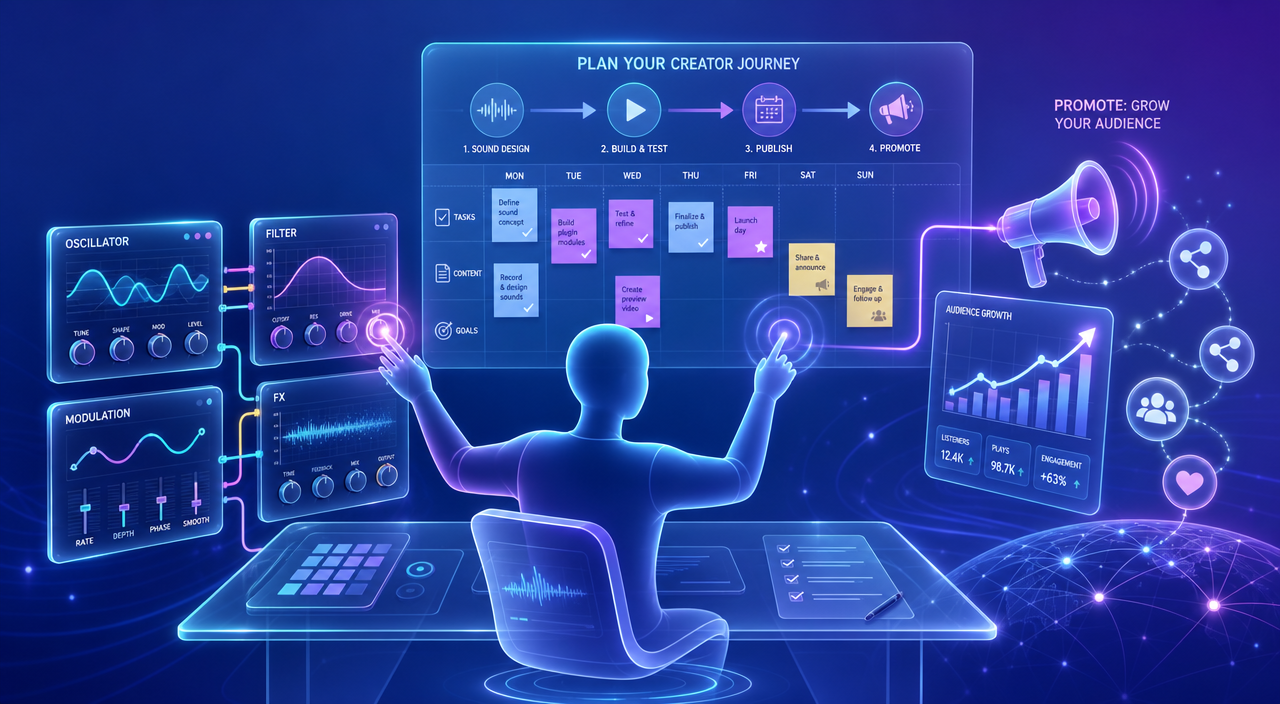
Planning for creators: interactive audio plugins and online promotion

Releasing an interactive audio plugin while building an audience online demands choices that shape reach, cost, and long-term support. Before writing more code or booking ad spend, clarify which host platforms and user segments you must support, how you will package and distribute builds, what legal obligations exist for bundled content or third-party code, and how much time you can commit to promotion and support. Thinking through these topics early reduces rework and avoids surprises at launch.

Explore Subcategories

Artificial Intelligence
Augmented Reality
Computing
Consumer Electronics
Robotics
Virtual Reality

More Guides

article-card__image

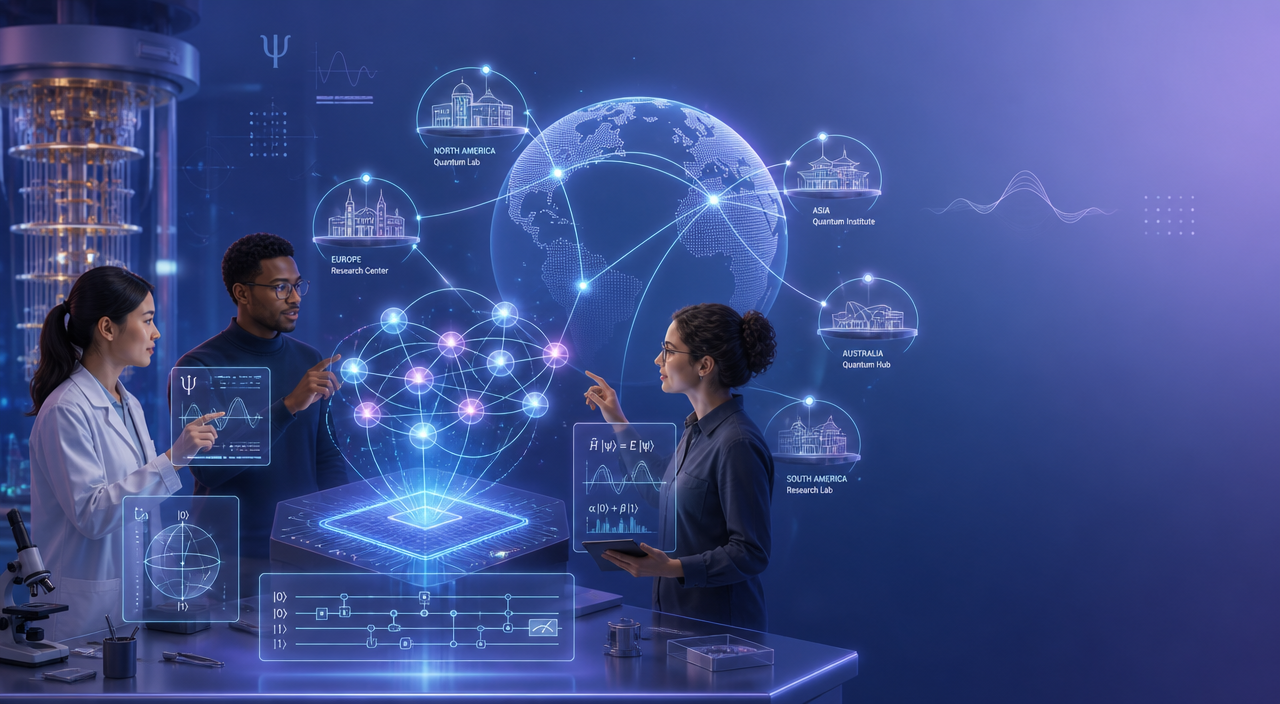
Introduction to quantum computing research: labs, global efforts and core ideas

Quantum computing explores ways to process information using principles of quantum mechanics rather than only classical electronics. For readers choosing what to learn or follow in tech, the practical question is not whether it’s interesting but what problems it might change, how research is organized, and how far the technology is from everyday use.

SK
Sophia Kim
article-card__image

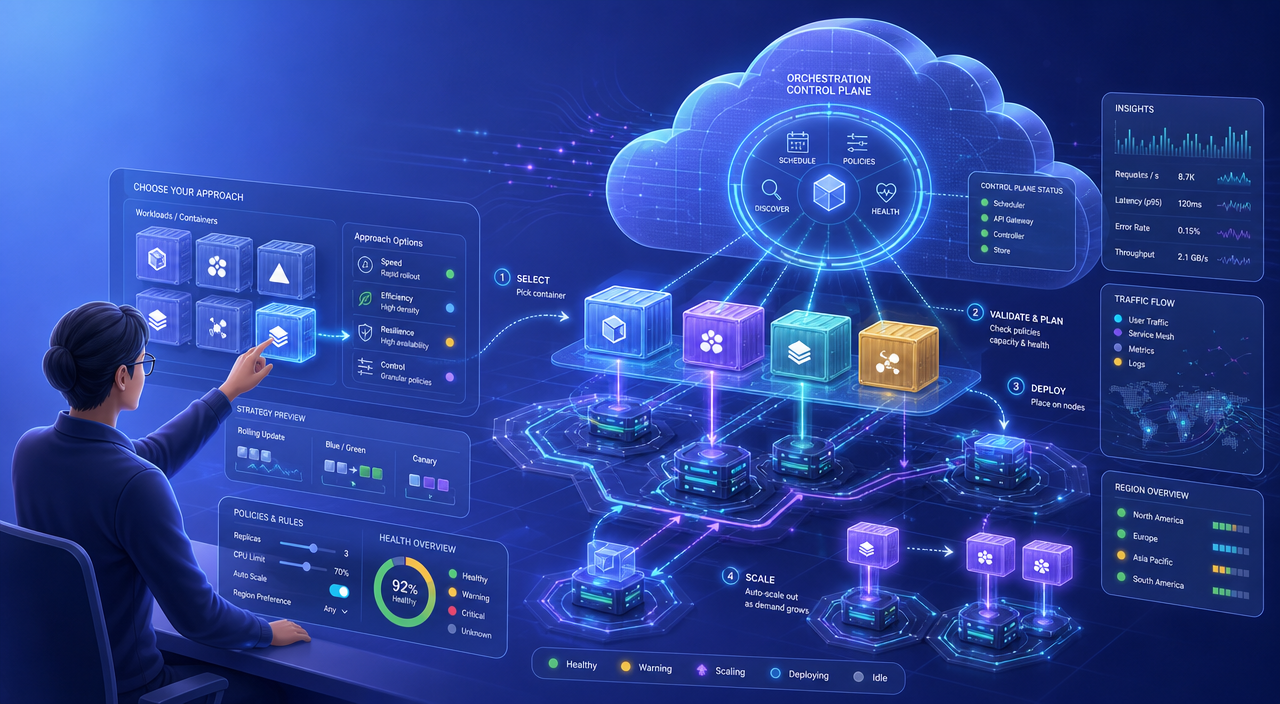
Choosing an approach to containerized deployment and cloud orchestration

If you’re deciding how to deliver a new application or whether to rework an existing one for the cloud, the choice between simple container deployments, full orchestration platforms, and a microservice architecture is about matching business needs to operational cost. Small teams often prioritize speed and low overhead; growing products need predictable scaling and resilience; regulated or global services must satisfy compliance, locality, and data durability. The right approach depends less on the latest tool and more on expected traffic patterns, data behavior, team skills, and how much operational complexity the organization can sustain.

SK
Sophia Kim
article-card__image

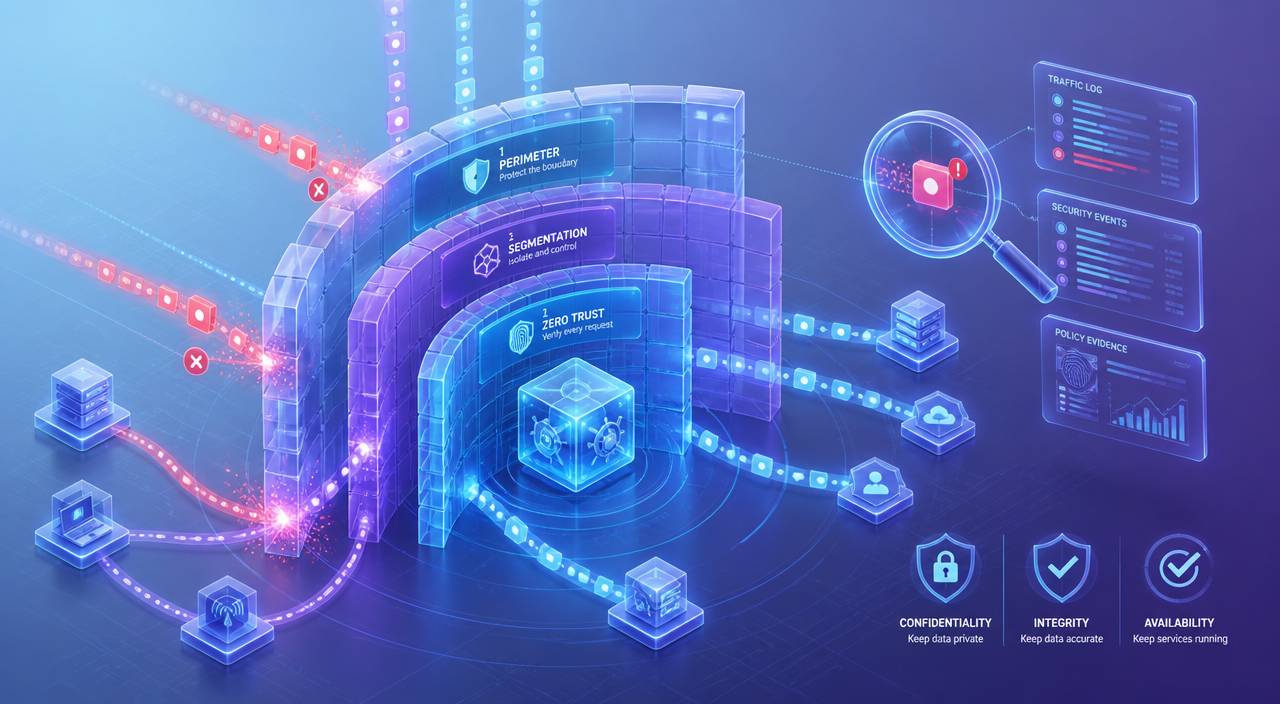
Network security and firewalls explained: goals, models and evidence

Network defenders and decision-makers often face the same question: what is a firewall actually protecting, and what should be expected from it? Choosing and operating controls without a clear sense of their purpose leads to wasted effort, gaps in coverage, and unrealistic claims about how secure an environment is. A straightforward understanding of firewalls, how they fit into security models, and what logging and tracing can— and cannot—reveal helps set realistic goals and prepares conversations with specialists.

LC
Liam Chen
article-card__image

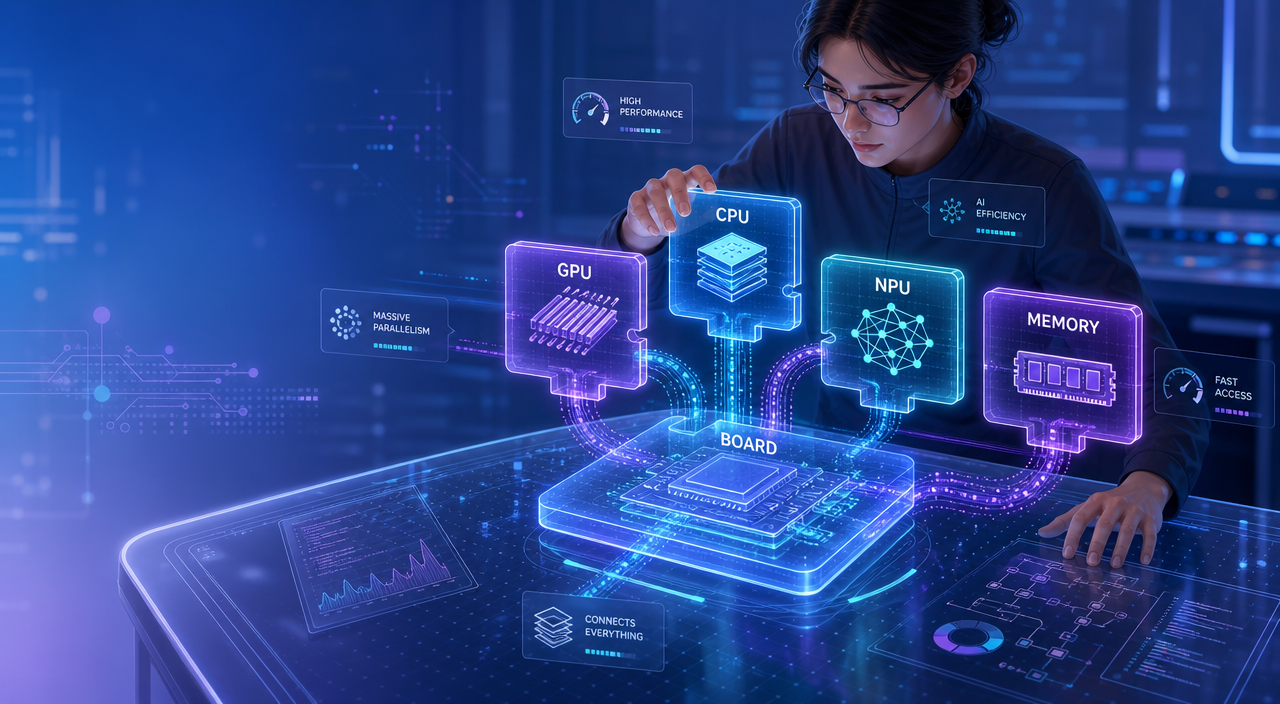
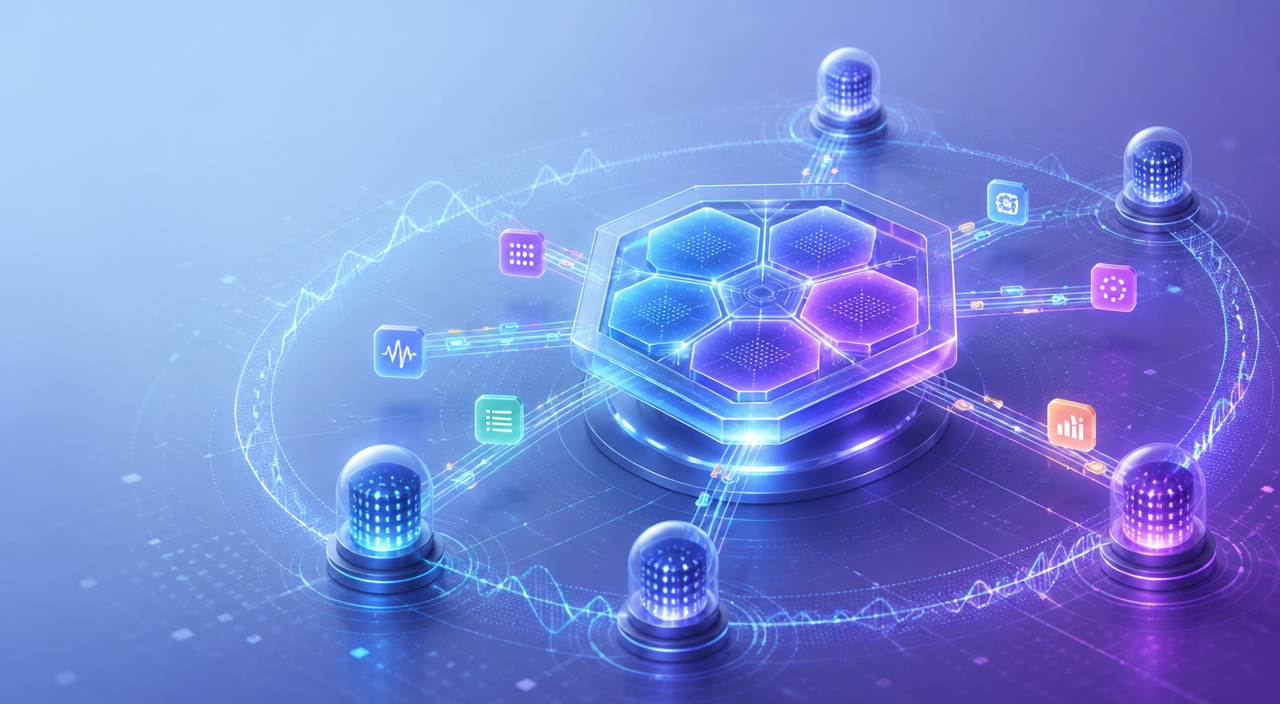
Performance and scale: cores, nodes, multitasking and system stability

When a server, desktop, or application feels slow or brittle, the problem is rarely a single missing upgrade. Perceived slowness and loss of stability come from interactions across compute, scheduling, I/O, and software design. Focusing on a few practical principles helps teams and individuals keep systems fast and predictable as load and complexity grow.

SK
Sophia Kim
article-card__image

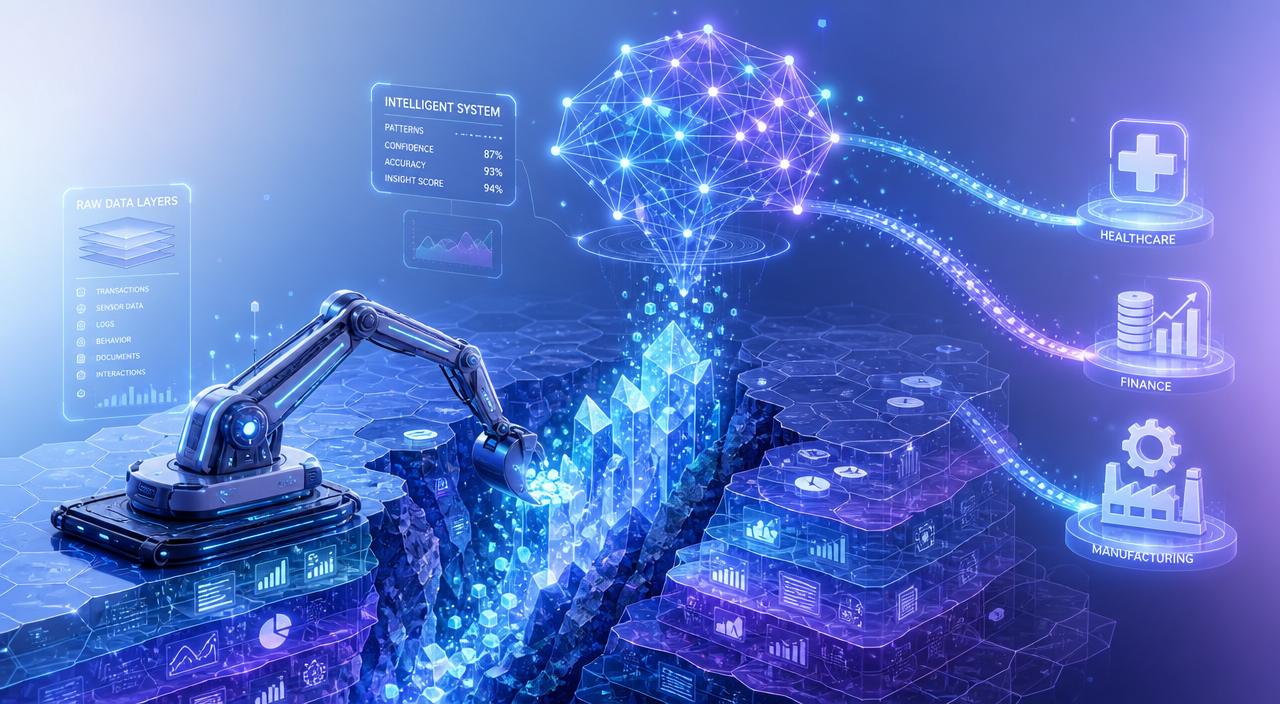
Data mining and the frontier of intelligent systems: what it is and where it helps

Organizations often collect more data than they can immediately use, and the question becomes how to find patterns that matter. Data mining is the set of techniques and tools used to discover previously unknown patterns, correlations, or structures in large datasets. It focuses on exploration and pattern discovery, rather than only reporting known metrics or producing dashboards.

LC
Liam Chen
article-card__image

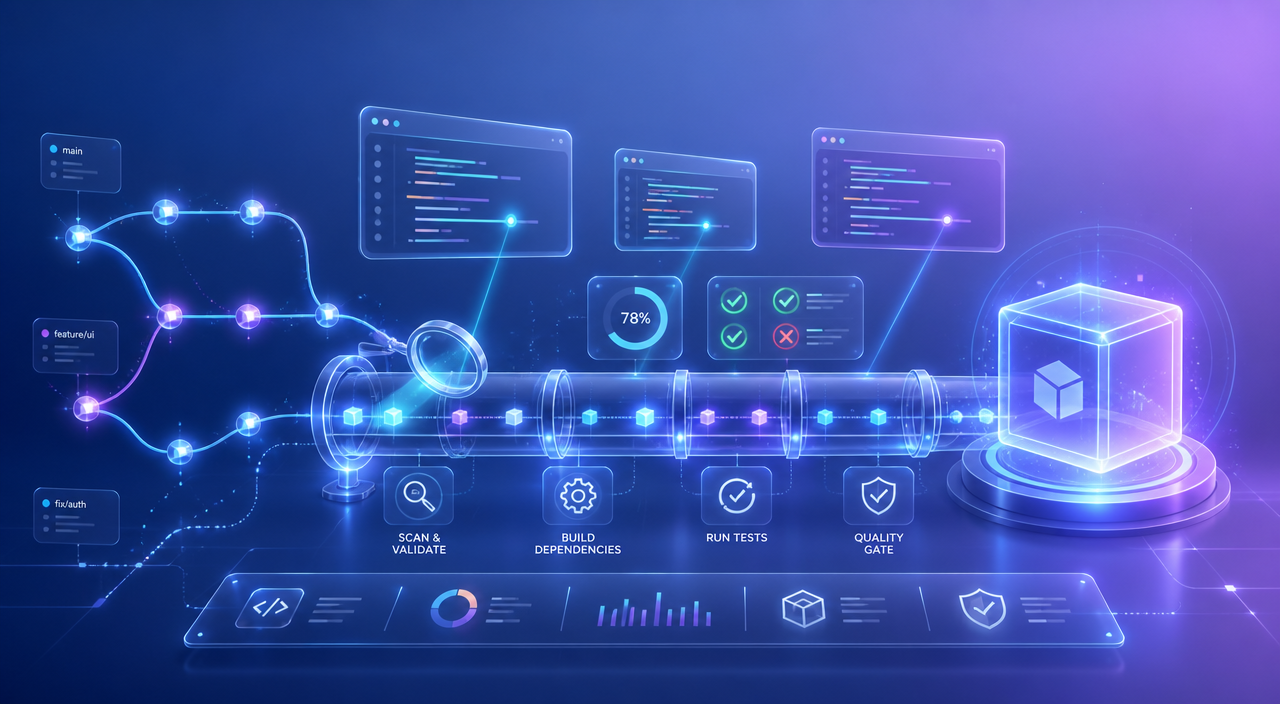
Developer workflows: version control, editors and testing for reliable builds

When code changes, tracking who changed what, why, and when becomes essential. Version control (source control management or SCM) stores a project's history of changes so you can inspect past versions, recover lost work, and collaborate without overwriting each other’s edits. The most common model records a sequence of commits—snapshots of files plus metadata—that form a history you can navigate and reason about.

JC
Jordan Carter